
Katodrytis N 1 , Ferentinos K 1.4 , Bombas D 1.4 , Ioannidis C 2.4 , Strouthos I 1.4 , Lysiotis T 3.5 , Panagiotou S 3.6 , Georgiou G 3.7 , Dimitriou A 8 , Konstantinidou A 2.4
1 Radiation Oncologist, 2 Pathologist Oncologist, 3 Histopathologist. 4 Board Member of the Cyprus Oncology Society, 5 Histopathology and Cytology Medical Centre Nicosia, 6 SGS Diagnostic Centre of Histopathology and Cytology Limited, 7 Histopathology Department of Nicosia General Hospital, 8 Officer of the Health Monitoring Statistical Unit of the Ministry of Health
Summary
Introduction: Cyprus, like the rest of the world, has been experiencing unprecedented situations since March 2020 and for a long time due to the COVID-19 pandemic. One of the biggest concerns was the late diagnosis and treatment of newly diagnosed cancer cases during the pandemic. The European Cancer Agency reports that approximately one million cancer cases were not diagnosed early or/and at all, due to COVID-19. The delay in diagnosis and treatment may undoubtedly have negatively affected the outcome of the disease and increased mortality.
Purpose: To examine whether the globally recorded decrease in cancer diagnoses during the pandemic period was also observed in Cyprus.
Method: Data from the Cyprus Cancer Archive, the Bank of Cyprus Oncology Centre (BCOC), the Histopathology Department of the Nicosia General Hospital (GNH) and two private histopathology laboratories were used. The comparison was made between the years 2019 and 2020 except for the two private laboratories from which data from the 2nd semester of 2019 and 2020 were compared
due to their integration into the General Health System (GHS) on 1/6/2019.
Results: A nationwide increase in new cancer cases of almost 3% was observed in 2020 compared to 2019. The total number of new cases in the 5 most common types of cancer showed a nationwide increase of 7%. At the OKTK, an increase in cancer cases of 7% was recorded while the total number of the 5 most common types of cancer increased by almost 10%. An increasing trend was observed in the two private histology laboratories while a decrease was recorded in the Histopathology Department of the General Hospital, which is attributed to the decrease in breast cancer cases.
Conclusion: The internationally observed decrease in cancer diagnoses does not seem to be documented in the case of Cyprus. The apparent increase in newly diagnosed cancer cases in 2020 is likely due to the good epidemiological picture of the country, the facilitations by the state in the movement of citizens for medical reasons, the strict implementation of protection measures in hospitals and the implementation of the General Health Insurance.
- Import
Cyprus, like the rest of the world, has been experiencing unprecedented situations since March 2020 and for a long time due to the COVID-19 pandemic. The enormous risk of loss of life and collapse of National Health Systems from the SARS-COV-2 coronavirus, for which humanity had no natural immunity and medicine had no vaccines, led national governments to make difficult decisions for their citizens and the economy of their countries. The confinement of citizens to their homes, social restrictions (lockdown) and distancing were the first defense reaction that had expected impacts on issues of dealing with other health conditions.
One of the biggest concerns concerned the lack of timely diagnosis and of course the treatment of newly appeared cancer cases, since firstly, the cessation of population screenings would lead to the failure to detect cases of breast, cervical and prostate cancer in early stages, and secondly, due to the avoidance of visits to doctors’ offices, clinics and hospitals, it was expected that many cases of cancer would not be diagnosed and of course not be treated in a timely manner.
As a result, and as expected, more advanced cancer cases were diagnosed after the lifting of restrictions [1,2]. A survey conducted by the American Society for Radiation Oncology (ASTRO) showed that 66% of physicians report that patients presented with advanced cancer after the pandemic [3]. According to data published by the European Cancer Organization, approximately one million cancer cases were not diagnosed due to the COVID-19 pandemic. In addition, it is estimated that approximately 100,000 tests were not performed during the pandemic in the context of population screening in Europe, resulting in patients with cancer being diagnosed late and at more advanced stages. Furthermore, one in two patients with possible cancer symptoms were not referred for diagnosis, while 20% of cancer patients in Europe did not receive the necessary surgical or systemic treatment. Delay in diagnosis and treatment, in this case due to the pandemic, can undoubtedly negatively affect the outcome of the disease and increase mortality [4].
- Purpose
The purpose of the study is to document or not the internationally observed delays in the diagnosis and treatment of cancer due to the COVID-19 pandemic, and in the case of Cyprus.
- Method
For the purposes of the study, data from the Annual Report as well as available data from the statistics department of the Bank of Cyprus Oncology Center (BCOC) were used.
Data from the German Oncology Center (GOK) were not analyzed because in 2019, GOK as a private Medical Center had a limited number of referrals, while since its integration into the General Health System (GHS) on 1/9/2020 and onwards, it provides free services with a consequently increased number of referrals.
In addition, published data from the Cyprus Cancer Archive were used, while aiming to compare histological cancer diagnoses during the years 2019 and 2020, data were used from the Histopathology Department of the General Hospital of Nicosia (GH), the largest in the country, and from two private histopathology laboratories, the Histopathology and Cytology Medical Centre in Nicosia and the SGS Diagnostic Centre of Histopathology and Cytology Limited in Limassol. For comparison purposes, the research in private histopathology laboratories was limited to the second half of 2019 and 2020, as until 1/6/2019 they operated outside the GHS regime with a limited number of referrals.
- Results
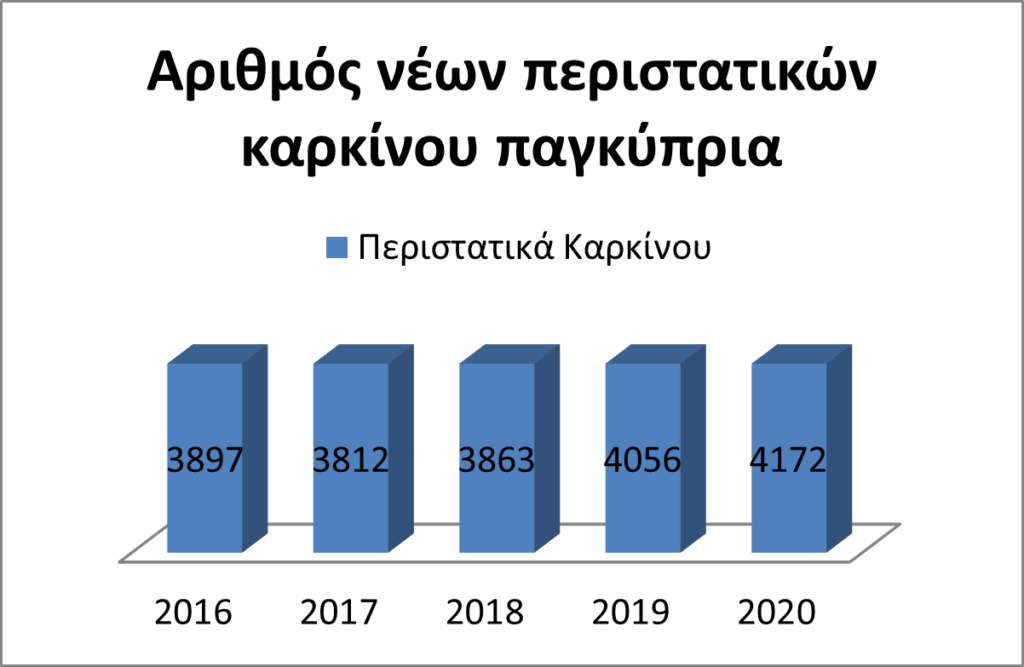
According to the data of the Cyprus Cancer Registry, in 2019, 4056 new cancer cases were diagnosed and in 2020, 4172 new cancer cases were identified nationwide. While in 2016, 2017 and 2018, a stable picture of newly diagnosed cancer cases was observed, in 2019 (n=4056) there was a slight increase. There was an increase of almost 3% (2.85%) in 2020 (n=4172), the year par excellence of the COVID-19 pandemic, compared to 2019 and by at least 8% compared to the pre-pandemic years 2016-2018. The 5-year cases are presented in Graph 1 [5].
Graph 2: Number of cases of colorectal cancer [6]
According to the data published in the Annual Report of the Bank of Cyprus Oncology Centre (BCOC), which treats over 50% of the country’s oncology patients, in 2020, 2332 new cancer cases were registered at the Centre, a number that increased by 149 cases compared to 2019 (n=2183), corresponding to an increase of almost 7% (6.8%). It is worth noting that the registrations of new cases in 2020 were at the level of 2018 (n=2331). The cases of the 3 years are presented in Graph 2 [6].
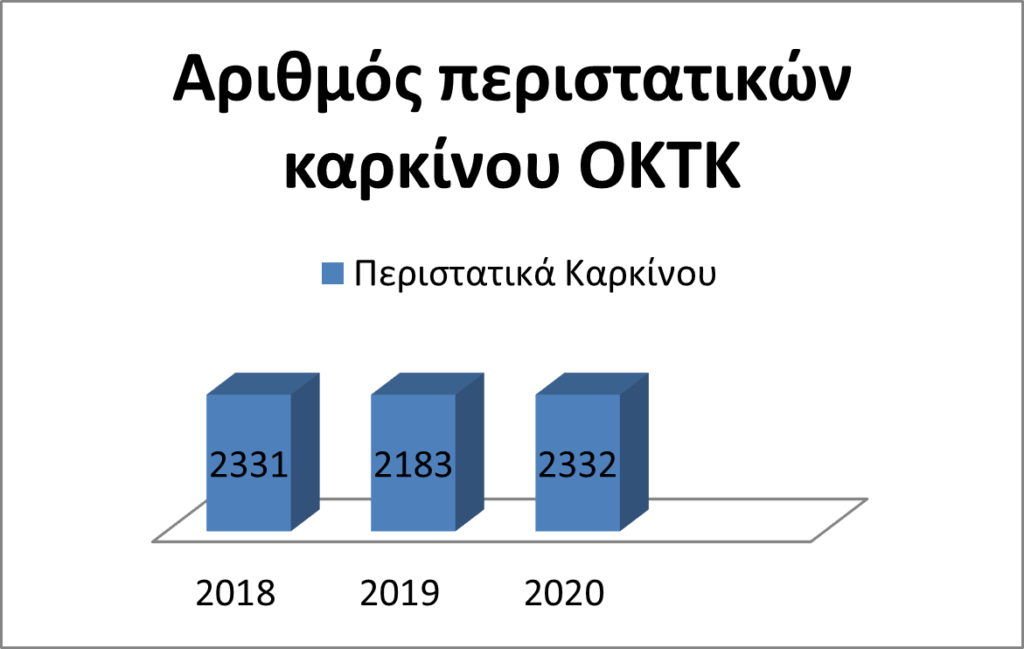
Γράφημα 2: Αριθμός περιστατικών καρκίνου ΟΚΤΚ [6]
According to the Annual Report of the OKTK, in 2020 (n=17124) and compared to 2019 (n=17025), approximately the same number of radiological diagnostic examinations were performed, namely Computed Tomography (CT), Ultrasound (US), Plain X-ray (PX) and mammography (Figure 3) [6].
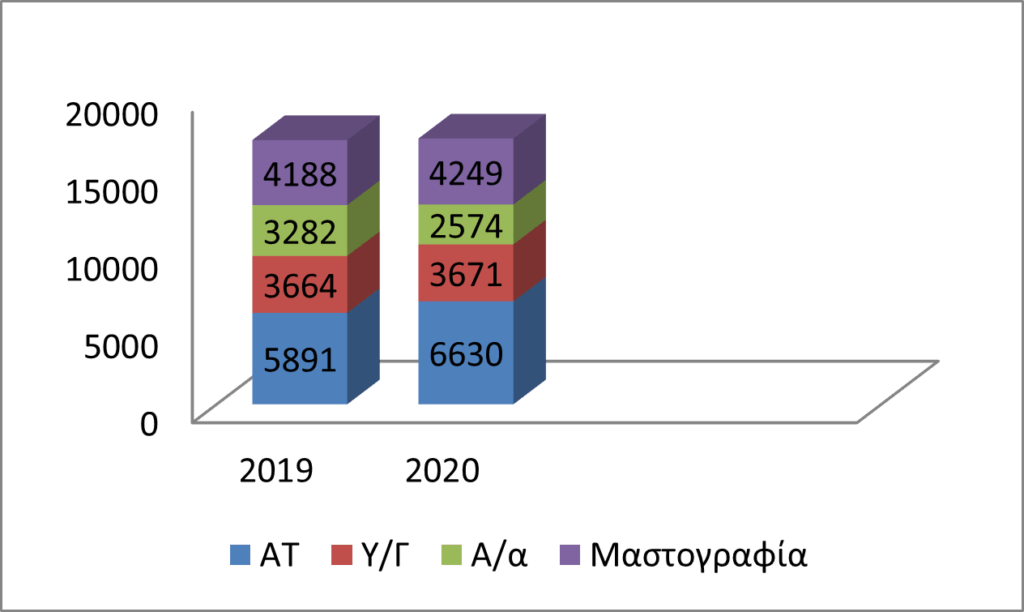
Figure 3: Radiological examinations of OKTK [6]
It was also observed that the number of chemotherapy treatments remained stable in 2020 (n=11795) compared to 2019 (n=11853) while there was a 4.5% increase in the number of patients receiving radiotherapy in 2020 (n=1239) compared to 2019 (n=1185). It is worth noting that the number of medical examinations in the Supportive Care Unit (SCU), where urgent problems are treated, more than doubled in 2020 (n=5534) compared to 2019 (n=2501) (Graph 4) [6].
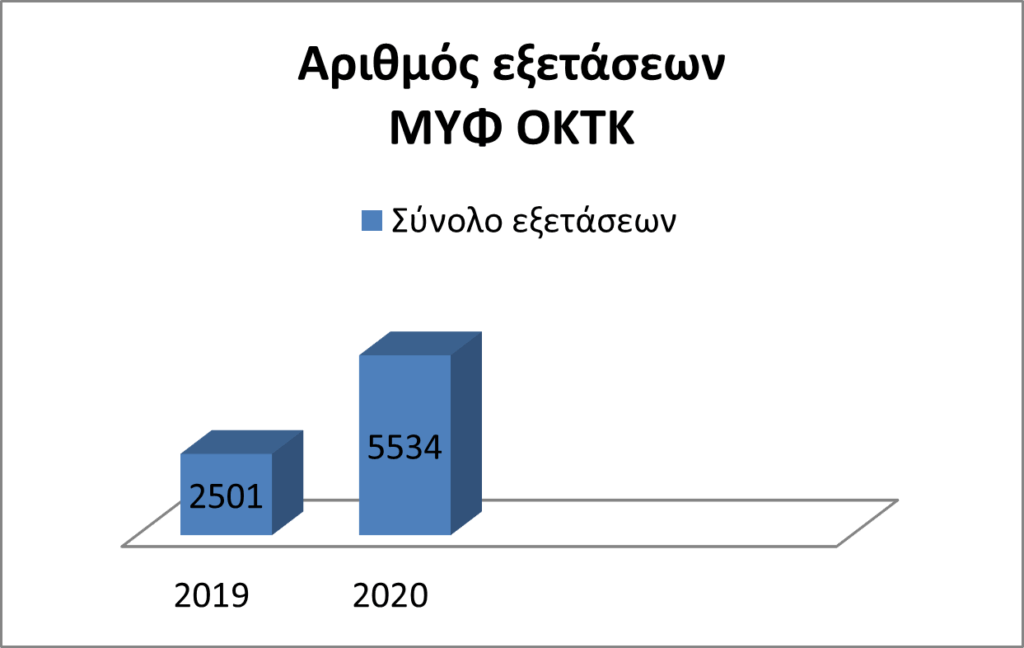
Graph 4: Number of exams for the Greek National University of Medical Sciences [6]
Important conclusions have been drawn from data concerning 5 common types of cancer, namely breast, lung, melanoma, prostate and colon.
According to the Cyprus Cancer Archive (Graph 5), a stable picture of newly diagnosed breast cancer cases was observed between 2019 (n=658) and 2020 (n=649), while an increase of almost 17% (16.88%) was seen in lung cancer between 2019 (n=385) and 2020 (n=450). A 13% increase was observed in melanoma cases with 76 cases recorded in 2019 and 86 in 2020, while a significant increase (23.5%) was noted in prostate cancer, with 553 cases recorded in 2019 and 683 diagnosed in 2020. Finally, an 11% decrease in colorectal cancer cases was observed in 2020 (n=383) compared to 2019 (n=432). It is worth noting that the total number of newly diagnosed cases in the five types of cancer increased by 7% in 2020 [5].
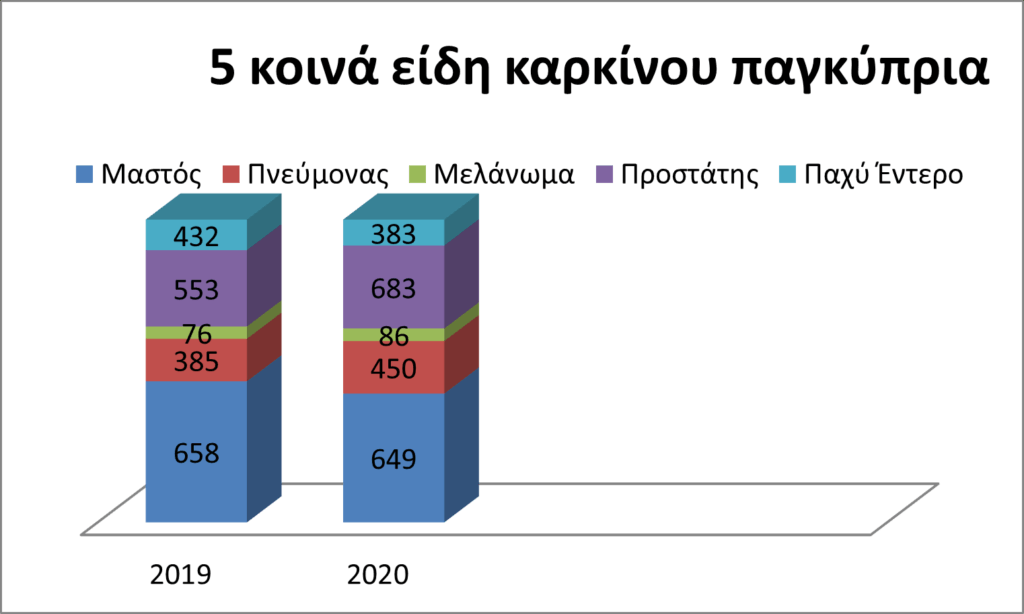
Graph 5: 5 common types of cancer nationwide [5]
In 2019, 1159 cases were registered in the OKTK, with diagnoses of breast, lung, melanoma, prostate and colorectal cancer constituting 53% of new registrations in 2019 (n=2183). In 2020, 1274 patients were registered with the corresponding diagnoses, representing 54.6% of new registrations in the OKTK (n=2332). A stable picture was observed in breast cancer and an increase in lung, melanoma and prostate cases, while colorectal cancer cases decreased in 2020 (Graph 6). Overall, an increase in cases in the 5 aforementioned diagnoses was observed in 2020 by almost 10% (9.9%) (n=115) [7].
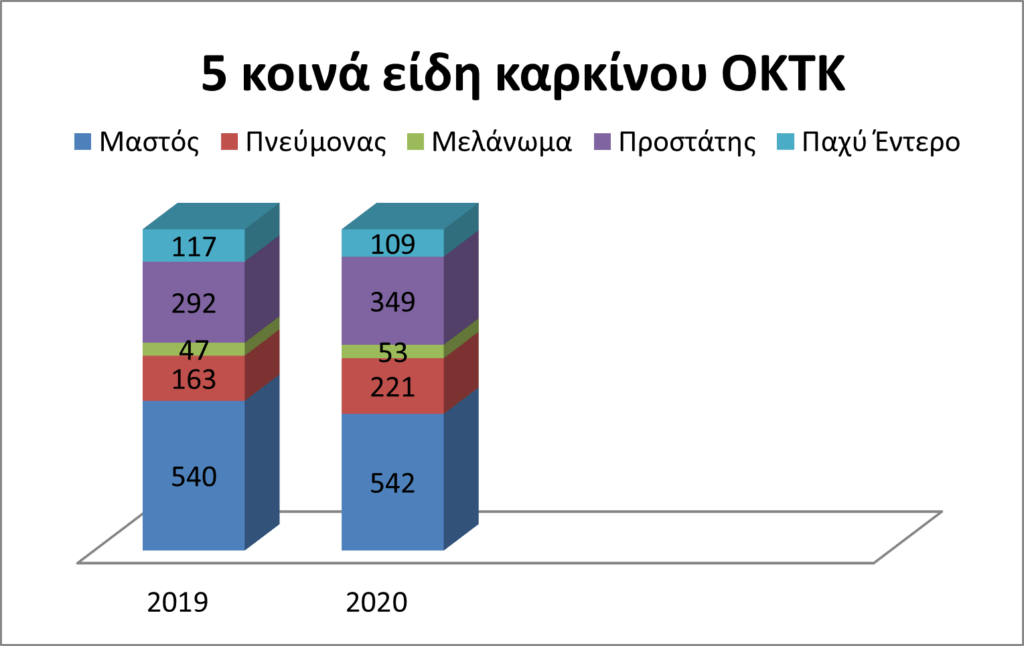
Figure 6: 5 common types of OTC cancer [7]
An increase in histological cancer diagnoses in the 2nd half of 2020 and compared to the 2nd half of 2019 was seen in the analysis of data from the private histopathology laboratory Histopathology and Cytology Medical Centre. The analysis concerns the 5 common types of cancer, namely breast, lung, melanoma, prostate and colon. There was a 50% increase in diagnoses between 2020 (n=468) and 2019 (n=311) (Graph 7). A stable number of melanoma diagnoses was found and an increase in diagnoses of prostate (112.5%), lung (52%), breast (24%) and colon (8.3%) cancers (Graph 8) was found[8].
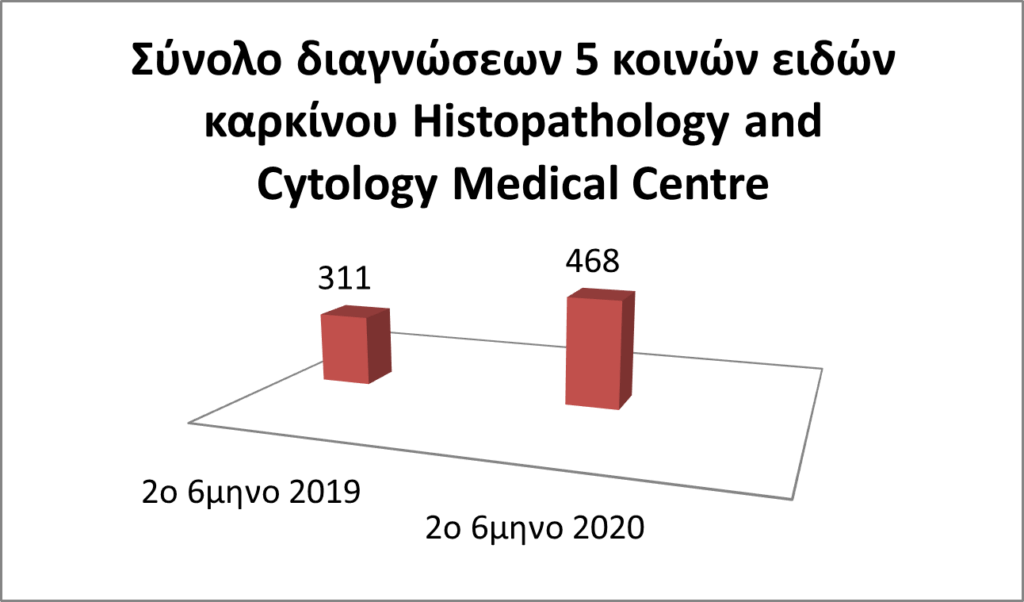
Graph 7: Diagnoses of 5 common types of cancer in the 2nd half of 2019 and 2020 [8]
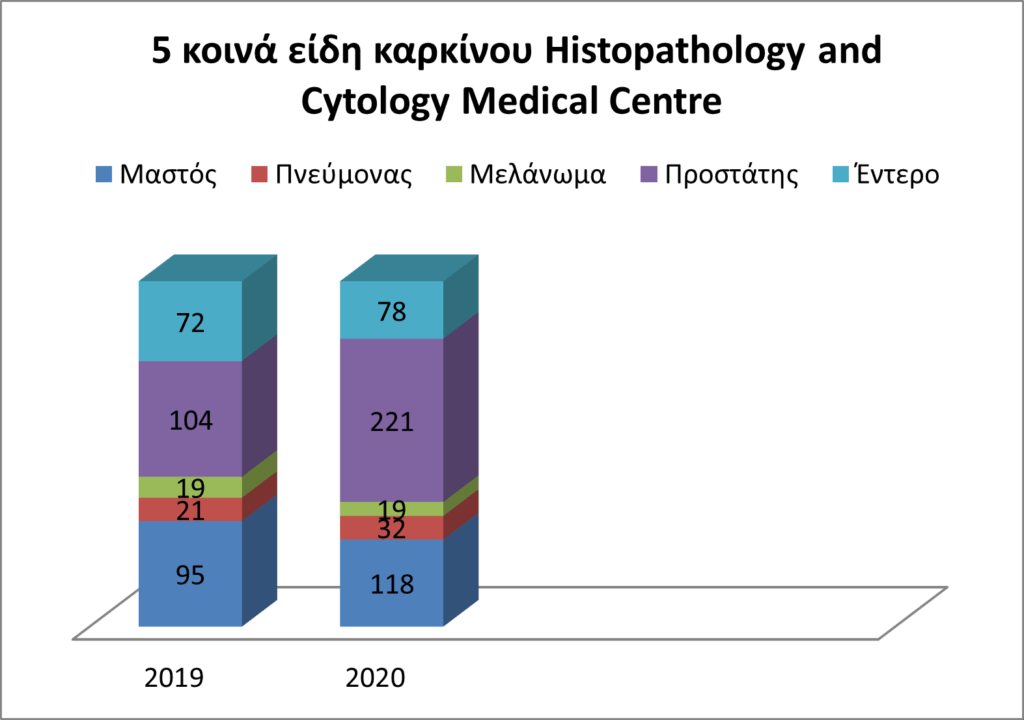
Graph 8: 5 common types of cancer in the 2nd half of 2019 and 2020 [8]
An increase in histological diagnoses during the 2nd half of 2020 compared to the 2nd half of 2019 was shown by the data of the private histopathology laboratory SGS Diagnostic Centre of Histopathology and Cytology in Limassol. For the 5 common types of cancer (melanoma, prostate, lung, breast and colon cancer), 689 cases were diagnosed during the 2nd half of 2019 and 793 during the corresponding period of 2020, showing an increase of 15%. (Graph 9) [9].
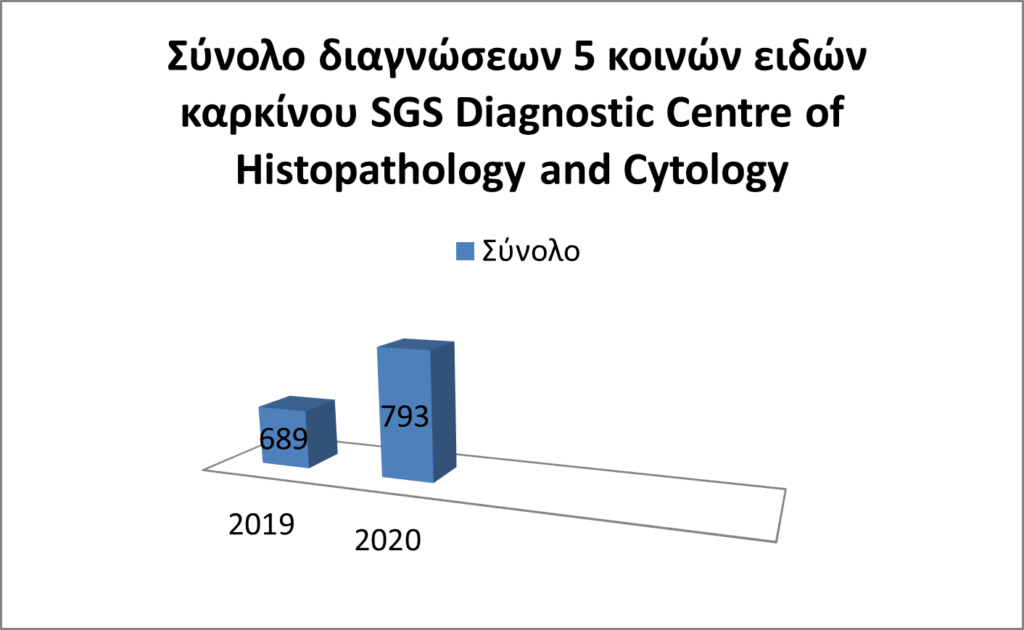
Graph 9: Total diagnoses of 5 types of cancer in the 2nd half of 2019 and 2020 [9]
Histological diagnoses in the Histopathology Department of the National Cancer Institute (GNLI) showed a decrease of 8.3% in 2020 (n=923) compared to 2019 (n=1007) (Figure 10). The analysis concerning the 5 types of cancer under study is shown in Figure 11. The overall decrease is due to the decrease in breast cancer diagnoses by 25.7%. Three types of cancer showed an increase, namely prostate by 14%, lung by 9%, and colon by 5.8%. Melanoma showed a stable picture [10].
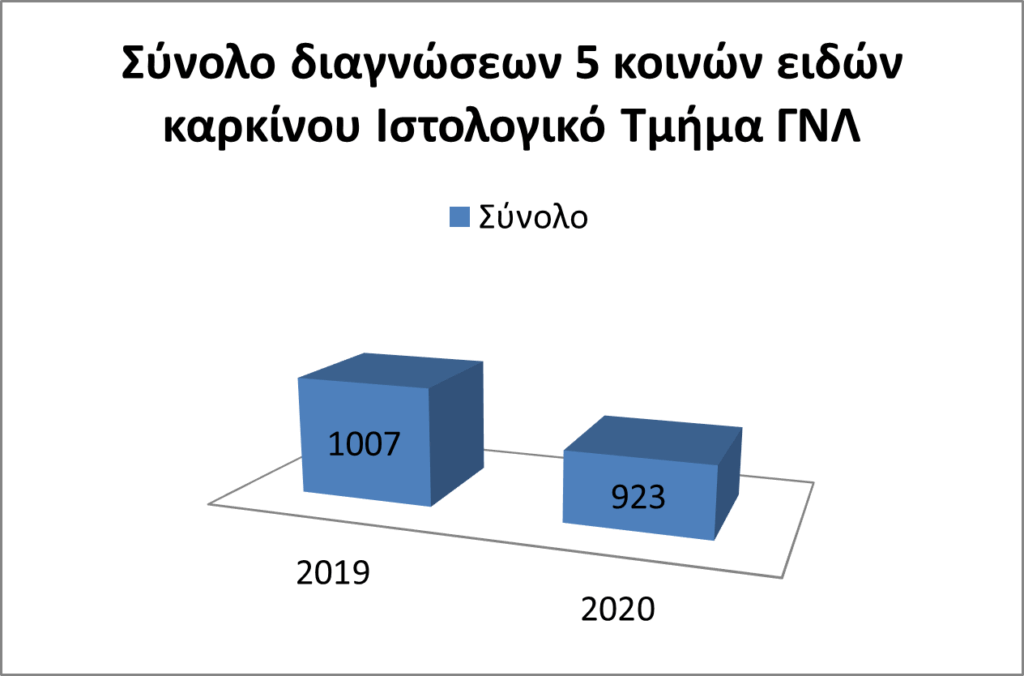
Graph 10: Total diagnoses of 5 types of GN cancer [10]
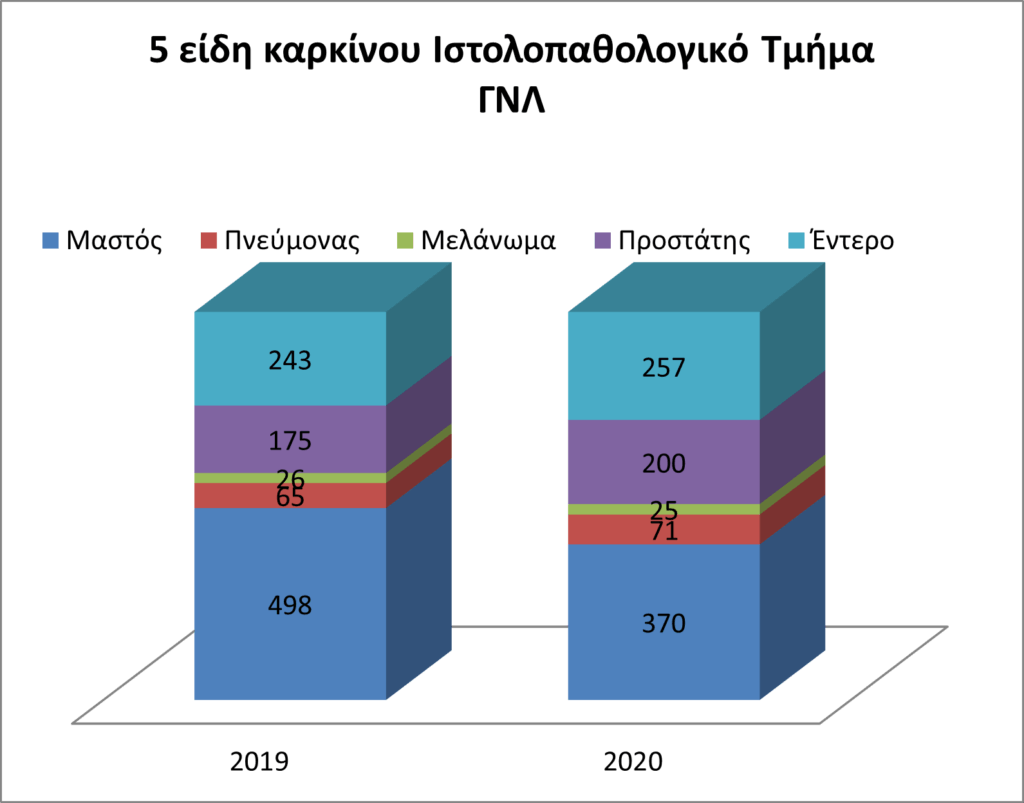
Graph 11: 5 types of cancer in 2019 and 2020 GNL[10]
Discussion
There are many literature reports documenting reduced numbers of cancer cases during the COVID-19 pandemic. A study from the United States of America (USA) certifies a delay in the diagnosis and treatment of cancer cases during 2020 due to the pandemic [11]. In addition, Yabroff et al (2021) report 10.2% fewer histological cancer diagnoses in the US states of Georgia and Louisiana in 2020 compared to 2019. A significant decrease of 42.8% was observed in April 2020 compared to the corresponding month in 2019 [12].
A multicentre study by Alvina G Lai et al (2020) showed a dramatic reduction in the demand and provision of oncology services in the United Kingdom (UK) during the pandemic, with a 76% (mean) drop in emergency referrals and a 60% (mean) drop in chemotherapy. The same study estimated 17,915 cancer deaths in one year in England [13]. A study from the largest Oncology Centre in Southern Brazil showed a 42% reduction in hospital admissions in 2020 compared to 2019 [14]. Earnshaw et al (2020) also reported a 34.3% reduction in melanoma referrals and a 53% reduction in skin cancer referrals in the UK from February to April 2020 compared to the same period in 2019 [15]. A decrease in cases is also reported by Dinmohamed AG et al (2020) in the Netherlands [16].
Delays in surgery are also documented by an analysis of data from 61 countries for 15 common cancer surgeries in 466 hospitals, which showed that one in 7 surgeries was postponed during the lockdown period, an average of 5.3 months from diagnosis. The UK data involved 6160 patients from 113 centers and the US 1219 patients from 21 centers [17].
In an Italian study by Gerardo Ferrara et al (2021), which examined histological diagnoses in Northern and Central Italy during the period of the 11th and 20th weeks of the year, i.e. from February 21 to May 17, for the years 2018, 2019 and 2020, it was shown that cancer diagnoses decreased by 44.9% in 2020 compared to the average of diagnoses of the two previous years. The greatest decrease was observed in melanoma and skin cancer diagnoses (56.7%). Among internal organ malignancies, the most significant decrease was recorded in colorectal cancer (46.6%), prostate cancer (45%) and bladder cancer (43.6%) [18]. Another Italian study with a control of cytological diagnoses also during the period of the 11th and 20th week of the year for the years 2018, 2019 and 2020 showed a decrease in cancer diagnoses in 2020 by 39% compared to the average of the years 2018 and 2019. The decrease concerned prostate cancer (75%), bladder cancer (66%) and colorectal cancer (62%) [19].
A similar study by Sofia Ruiz-Medina et al (2021) from Spain, which examined histological diagnoses in 2 university hospitals with 785,000 patients, also showed a decrease in cancer diagnoses in 2020 by 17.2% compared to 2019. The diagnoses of breast cancer (26.1%), colorectal cancer (16.9%) and head and neck cancer (19.8%) decreased. Since the number of new cases in 2018 and 2019 was stable, it is evident that the decreased number of diagnoses in 2020 is due to the COVID-19 pandemic [20].
Lalas et al (2021) analyzed data from the Northern Greece Skin Cancer Registry to assess the impact of the COVID-19 pandemic on the diagnosis of skin cancers. New cases of melanoma, basal cell carcinoma, and squamous cell carcinoma for 2020 were compared with the numbers for the years 2016-2019. The analysis showed a 30.1% decrease in new cases of skin cancers. A decrease was observed in the diagnoses of melanoma (36.4%), basal cell carcinoma (22.3%), and squamous cell carcinoma (44.8%) [21].
All of the above studies demonstrate the impact of the pandemic on both the early diagnosis and treatment of cancer.
In Cyprus, contrary to the above bibliographic references and according to the data of the Cyprus Cancer Registry, an increase in the total number of new cases (3%) was recorded in 2020 compared to 2019, while an increase of 7% was observed in the 5 most common types of cancer [5]. An increase was also observed from the OKTK data, which showed an increase in the number of new cancer cases in 2020 by approximately 7% (6.8%), despite the restrictions and distancing measures [6].
Analyzing the numbers of newly diagnosed cases in the OKTK in breast, lung, melanoma, prostate and colorectal cancers and comparing the years 2019 and 2020, an increase of almost 10% (9.9%) was seen in 2020, confirming the upward trend observed in the total number of newly diagnosed cases of these 5 types of cancer nationwide (7%) [7].
The increasing trend in cancer diagnoses in 2020 and compared to 2019 was also confirmed by the data of two private histopathology laboratories, in Nicosia and Limassol. Taking into account the start of the General Health System on 1/6/2019 and the integration of the two laboratories into it, the comparison was made between the 2nd
half of 2019 and the corresponding half of 2020. At the Histopathology and Cytology Medical Centre in Nicosia, an increase in cancer diagnoses was observed by 50%, and at the SGS Diagnostic Centre of Histopathology and Cytology in Limassol by 15% [8,9]. The significant increasing trend in these two laboratories is most likely due to their integration in 2019 and their establishment in 2020 into the General Health System, which led to a shift of patients from public hospitals to the private sector within the General Health System.
The decrease in histopathological diagnoses in the Histopathology Department of the General Hospital (8.3%) in 2020 is mainly due to the significant decrease in breast cancer diagnoses (25.7%), since the other types of cancer showed either an increase (5.8 to 14%) or stability. The decrease in breast cancer cases could be due to the start of operation of the General Health Insurance, which allowed free and cost-free visits to the private sector within the General Health Insurance. Two additional reasons are (a) the decrease in attendance at public hospitals as a measure of protection against SARS-COV-2 infection since they had borne the brunt of the pandemic and (b) the cessation of the operation of screening centers from which the General Hospital receives the largest number of referrals.
The increase in cancer diagnoses observed in 2020 during the pandemic may be due to the relatively free movement of citizens during the pandemic for medical reasons, the protective measures taken by hospitals that contributed to eliminating the fear of infection, but also to the certainty expressed by health professionals about the safety of patients due to the implementation of strict protection protocols. An additional reason could be considered the operation of the General Health System, which allowed them to visit doctors and hospitals of their choice with greater ease.
The non-negative impact of the COVID-19 pandemic on the diagnosis and care of oncology patients was also evident from the stable picture presented in 2020 and compared to 2019 in the number of patients at the OKTK who underwent radiological examinations such as CT Scan, Ultrasound, Plain X-ray and Mammography, reinforcing the view that oncology patients continued to receive the care they are entitled to, even under the difficult conditions of the pandemic [5].
The over-duplication of tests in the Emergency Department of the OKTK, where urgent oncological cases are evaluated and treated, mainly under treatment [5], is possibly due to the avoidance by patients of visits to the Emergency Departments (EDs) of the country’s General Hospitals, fearing possible infection with COVID-19. It is noted that public hospitals shouldered the entire burden of dealing with COVID-19 cases, and therefore the probability of encountering potential cases in the EDs and the risk of infection was increased. An additional possible reason for the increased number of tests in the ED is the reduction in the number of admissions to the OKTK but also, more generally, the implementation of protective measures against the transmission of the SARS-COV-2 coronavirus [5].
Conclusion
The observed worldwide decrease in cancer diagnoses does not seem to be documented in Cyprus, where an increase in newly diagnosed cancer cases is recorded in 2020 compared to 2019. This is most likely due to the good epidemiological picture of Cyprus compared to other countries severely affected by the pandemic, the facilitation of movement of citizens for medical reasons and the feeling of security of patients due to the strict implementation of protection measures in hospitals.
An additional important reason for the increase in cases observed in general, but mainly in private histopathology laboratories, is the implementation of the General Health System (GHS) and the free provision of medical services. This fact led to an increased interest of citizens to undergo medical examinations even under pandemic conditions.
Βιβλιογραφία:
- Xuesong Han, Nuo Nova Yang, Leticia Nogueira et al. Changes in cancer diagnoses and stage distribution duringthe first year of the COVID-19 pandemic in the USA: a crosssectional nationwide assessment. Lancet Oncol 2023; 24: 855–67. https://www.thelancet.com/pdfs/journals/lanonc/PIIS1470-2045(23)00293-0.pdf
- Mack DP, Spencer H, Wang K, Lewis GD. The Effects of the COVID-19 Pandemic on Cancer Staging in Patients Diagnosed With Head and Neck Cancer. Cureus. 2023 Jan 25;15(1). https://www.ncbi.nlm.nih.gov/pmc/articles/PMC9951633/
- Charlotte Bath. Surge of Patients With Advanced Cancer Expected Due to Delayed Diagnosis and Treatment During Pandemic. The ASCO Post. May 10, 2021. https://ascopost.com/issues/may-10-2021/surge-of-patients-with-advanced-cancer-expected-due-to-delayed-diagnosis-and-treatment-during-pandemic/
- European Cancer Organization. Time To Act: European Cancer Organisation Calls for Urgent Action as One Million Cancer Cases are Undiagnosed in Europe Due to Covid-19. 10 May 2021. https://www.europeancancer.org/resources/201:time-to-act.html
- Αρχείο Καρκίνου Κύπρου. Όλα τα είδη καρκίνου 1998-2021. Μονάδα Παρακολούθησης Υγείας Υπουργείο Υγείας, Κύπρος. https://www.moh.gov.cy/Moh/MOH.nsf/All/82B40CE2FEE19D7AC22579C6002CBFAD/$file/%CE%A0%CE%B5%CF%81%CE%B9%CF%83%CF%84%CE%B1%CF%84%CE%B9%CE%BA%CE%AC%20%CE%BA%CE%B1%CF%81%CE%BA%CE%AF%CE%BD%CE%BF%CF%85_%CF%8C%CE%BB%CE%B1%20%CF%84%CE%B1%20%CE%B5%CE%AF%CE%B4%CE%B7_1998-2021.pdf
- Ετήσια Έκθεση 2020. Ογκολογικό Κέντρο Τράπεζας Κύπρου. https://www.bococ.org.cy/sites/default/files/inline-files/annual_report_2020_0.pdf
- Ογκολογικό Κέντρο Τράπεζας Κύπρου. Ανάλυση στατιστικών δεδομένων 2019 και 2020.
- Λυσιώτης Θ. Ανάλυση στατιστικών δεδομένων διαγνώσεων δεύτερου 6μήνου 2019 και 2020. Histopathology and Cytology Medical Centre, Λευκωσία
- Παναγιώτου Σ. Ανάλυση στατιστικών δεδομένων δεύτερου διαγνώσεων 6μήνου 2019 και 2020..SGS Diagnostic Centre of Histopathology and Cytology, Λεμεσός.
- Γεωργίου Γ. Ανάλυση στατιστικών δεδομένων διαγνώσεων 2019 και 2020. Ιστοπαθολογικό Τμήμα Γενικού Νοσοκομείου Λευκωσίας.
- Matthew Fowler. Substantial Declines in Diagnosis and Treatment of Cancers Observed Due to COVID-19 Pandemic. Cancernetwork. September 16, 2021. https://www.cancernetwork.com/view/substantial-declines-in-diagnosis-and-treatment-of-cancers-observed-due-to-covid-19-pandemic
- Yabroff KR, Wu XC, Negoita S, et al. Association of the COVID-19 pandemic with patterns of statewide cancer services. J Natl Cancer Inst. Published online, June 28, 2021. doi:10.1093/jnci/djab122
ΜΕΛΕΤΗ – Η επίπτωση της πανδημίας COVID-19 στη διάγνωση του καρκίνου: Η περίπτωση της Κύπρου
